How the 2026 World Cup Works: A Fan's Guide to the New 48-Team Format
The 2026 World Cup is the biggest in history — 48 teams, three host countries and a brand-new knockout path. Here's a plain-English guide to how it all fits together.
When I started KickXoff, it was because tournaments like this one deserve to be explained clearly — not buried under jargon. The 2026 World Cup is the biggest the men's game has ever staged, and if the new format has you a little confused, you're not alone. Here's how it actually works.
A tournament across three countries
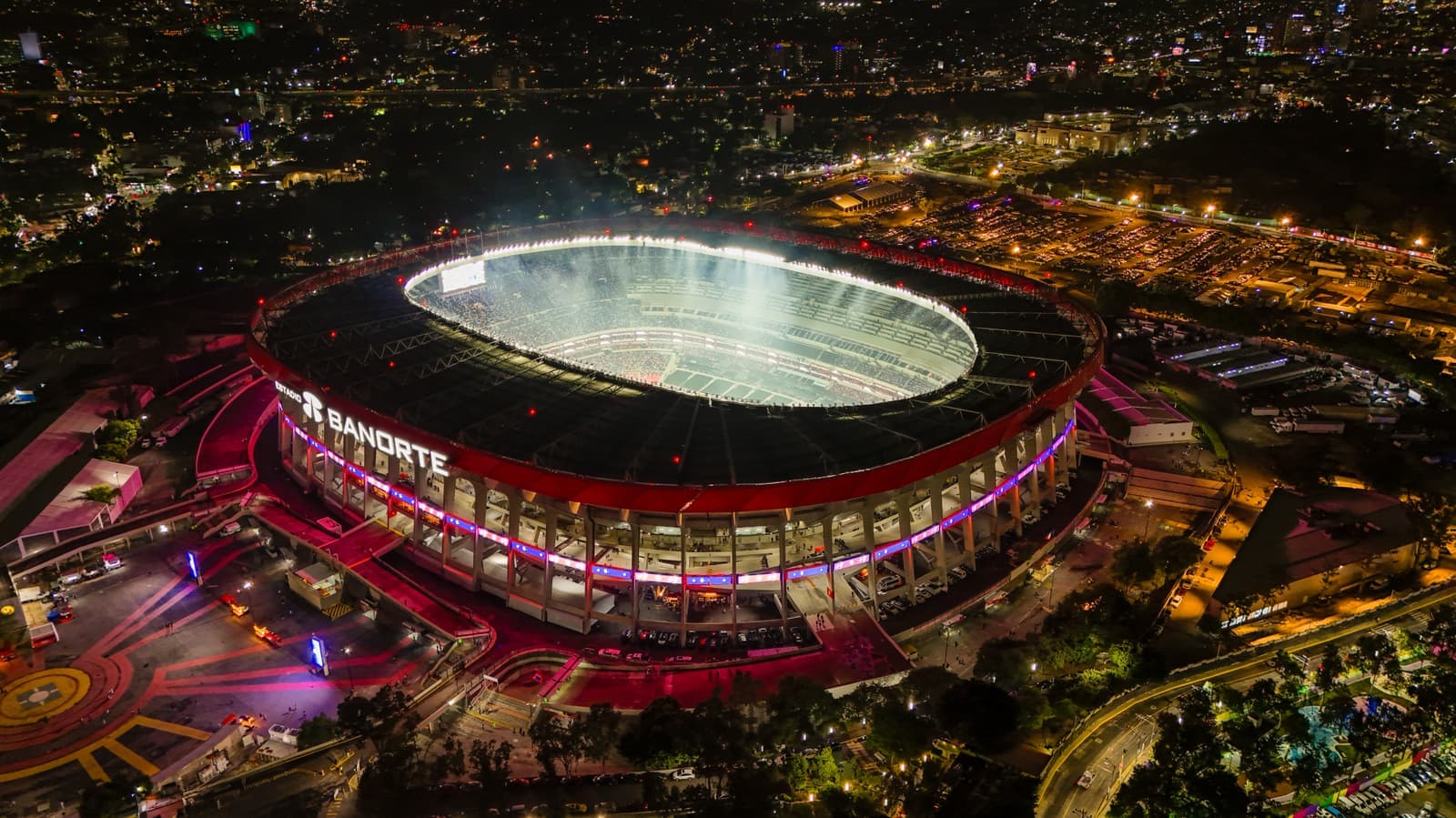
For the first time, a men's World Cup is co-hosted by three nations: the United States, Canada and Mexico. Matches are spread across 16 host cities, from Vancouver down to Mexico City, with the tournament running from June 11 to July 19, 2026. The opening match was staged at Mexico City's Estadio Azteca, and the final is set for MetLife Stadium in New Jersey.
That geographic spread is part of what makes 2026 different. Teams and travelling supporters cover enormous distances between games — a scale of logistics no previous World Cup has had to manage.
48 teams, 12 groups
The headline change is the size. The field has grown from 32 teams to 48, split into 12 groups of four. That is a big jump: more nations, more debutants, and far more football — 104 matches in total, up from 64.
Each team plays the other three sides in its group once. A win is worth three points, a draw one, a defeat none. Standard stuff so far.
The new knockout path
Here is where 2026 introduces something genuinely new. From those 12 groups:
- The top two teams in every group advance automatically — that is 24 teams.
- The eight best third-placed teams across all the groups go through as well.
Add those together and you get 32 teams in the first knockout round — a brand-new Round of 32 that did not exist in the old format. From there it is straight knockout football: Round of 16, quarter-finals, semi-finals and the final. One leg, no second chances.
The "best third-placed teams" rule is the part worth understanding. Finishing third in your group is not automatically the end — but you are then compared against the other third-placed sides on points, goal difference and goals scored. It rewards teams that take something from a hard group, and it keeps more nations alive deeper into the tournament.
Why it matters
For fans, the upshot is simple: there is more football, more of the world is represented, and there are fewer truly "dead" group games, because a third-place finish can still be enough to go through. For smaller footballing nations, expansion is a real door into the sport's biggest event.
Whether bigger is better is a fair debate — and one I'll get into separately. But however you feel about it, this is the format we have, and once the Round of 32 and the best-third rule click into place, the rest of it makes sense.
Tournament structure here follows FIFA's confirmed format for the 2026 World Cup.