One Goal in Eight Games: How Spain's Defence Rewrote the World Cup Record Books
Spain became world champions for the second time by conceding just once in eight matches — a record for any World Cup champion. A tactical look at how De la Fuente's side built the most airtight title campaign the expanded format has yet produced.
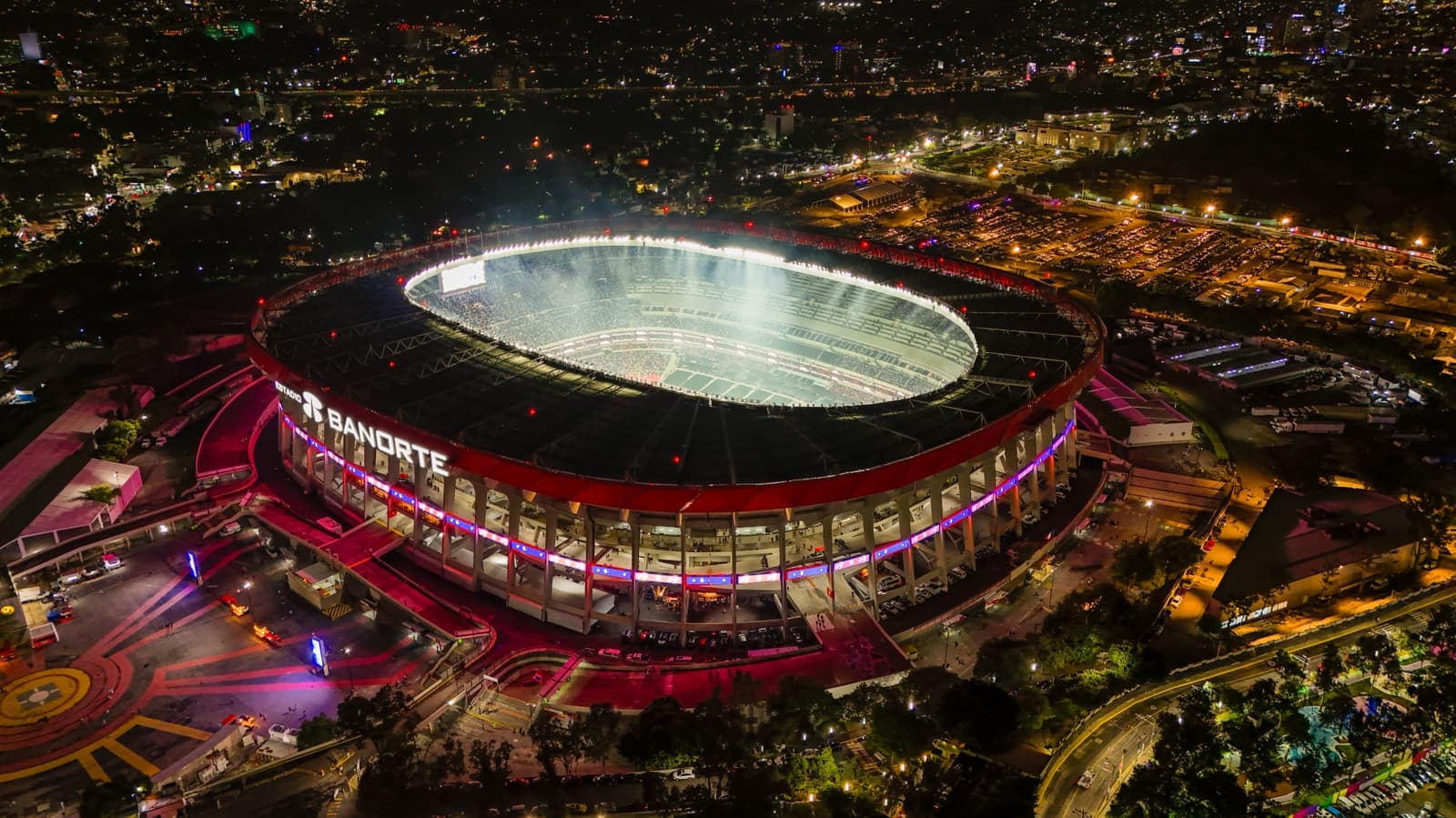
Spain won the 2026 FIFA World Cup at MetLife Stadium on the evening of 19 July, defeating Argentina 1–0 through Ferran Torres' extra-time strike in the 106th minute. The margin was a single goal across 120 minutes. The underlying numbers were not marginal at all.
Across eight matches — the most any World Cup champion has been required to play, a direct consequence of the new 48-team format's additional round — Spain conceded once. That one goal came from Belgium in the quarter-final, ending a clean-sheet run that had stood for 609 minutes. In the final, Argentina — who had beaten England in the semi-final and recovered from two goals down against Egypt in the round of 16 — did not register a single shot on target across the full 120 minutes. Spain had twenty.
The record in context
Previous World Cup champions had always played seven matches. Spain, required to play eight, conceded fewer goals than any of them. The comparison is imperfect in one direction — seven games offers less opportunity to concede than eight — and yet the pattern that produced the clean-sheet record is the same one that produced five of those eight goalless performances: a tactical structure that converts possession into prevention, and prevention into a form of offensive pressure.
Luis de la Fuente's squad did not defend by sitting deep and hoping. They defended by not letting opponents build. The group stage told this story clearly: a goalless draw with Cape Verde, the sort of match a deep-defending side can manage, was followed by a 4–0 dismantling of Saudi Arabia and a 1–0 win over Uruguay. Austria fell 3–0 in the round of 32. Portugal — in a round-of-16 game decided late when Mikel Merino came off the bench to head the winner — went home without scoring. France, semi-final opponents who had scored freely on their way to that stage, were beaten 2–0 without ever seriously threatening the goal. Belgium's quarter-final strike was the single exception across eight matches, scored in a game Spain won 2–1. After that, Spain did not concede again.
The pivot
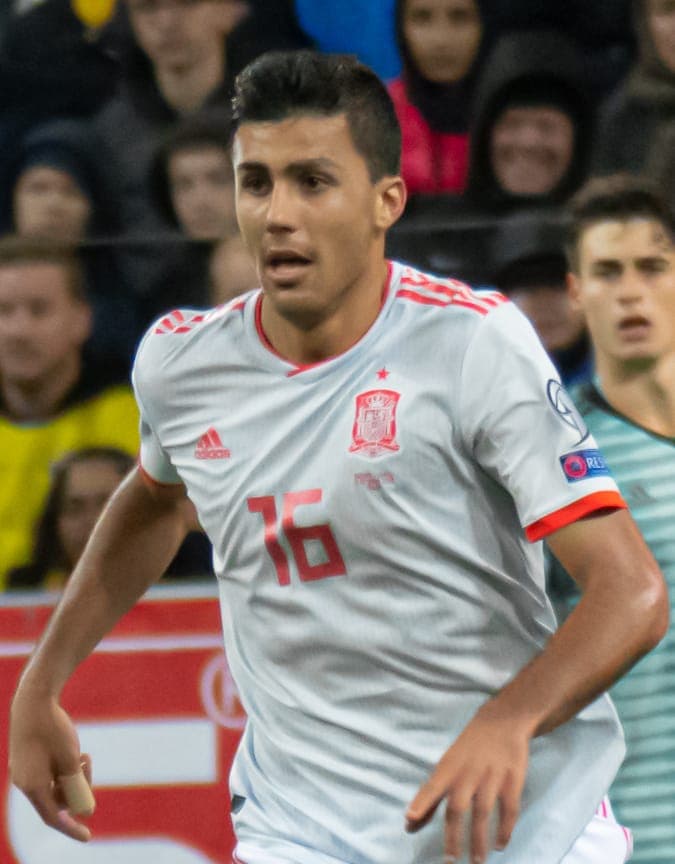
None of it is fully explicable without Rodri. Spain's captain at the base of midfield is the fixed point of a fluid system — the player who offers the first pass out of defence, wins possession back before the defensive shape has to be tested, and occupies enough of the central corridor to make Pedri and Fabian Ruiz dangerous higher up rather than defensively exposed. He had recovered from the ACL injury that cost him most of the 2024–25 season; this tournament was the proof of return, played across eight full knockout rounds without visible diminishment.
His effect on the system was most visible in what opponents were prevented from doing. Belgium's quarter-final goal arrived from a corner, not from a sustained attack working through Spain's midfield. In the semi-final, France managed one shot on target. In the final, Argentina managed none.
The role of the attack
The defensive record was built partly through the front line. Lamine Yamal, still 18 and already a European champion, was Spain's most direct offensive weapon — his pressing off the ball was the first link in a chain that worked back through Pedri and Fabian Ruiz and arrived at Rodri as an organised structure rather than a scramble. A winger who presses hard and tracks back turns a four-man defensive shape into a five-man press; Yamal provided that, quietly, for eight matches.
Mikel Oyarzabal's finishing throughout the tournament gave the structure multiple ways to score — he contributed goals in the group stage and opened the semi-final against France from the penalty spot. Pedro Porro scored the second against France in the 58th minute to end that game as a contest. Mikel Merino, arriving from the bench in successive knockout rounds to score against Portugal and Belgium, provided the kind of impactful depth previous Spain tournaments sometimes lacked.
Ferran Torres, the final substitution that won the tournament, converted a rebound in the 106th minute against a tired Argentine defence that had produced no offensive threat in two hours of football.
The final as exhibit
Zero shots on target for Argentina in the World Cup final is the clearest single illustration of what Spain produced. Lionel Messi scored eight goals on his way to the match — more than any player carried into a final — and then encountered the only team in the tournament that had not conceded across its two previous knockout rounds. That Argentina ran out of answers against this particular opponent says as much about Spain's structure as it does about anything Argentina attempted. The 1–0 scoreline was, in the only meaningful sense, flattering to the losing side.
The double
Spain are now the first nation in history to hold the men's and women's FIFA World Cups simultaneously. The timing is not coincidental: a development system built across decades, a La Masia academy that produced Pedri and Yamal in the same generation, and the coaching continuity to construct title-winning structures around their ability rather than around individual stars.
In the history of the competition, no champion had produced a defensive record like this across this many games. In the history of Spanish football, no team had ever held both World Cups at once. Both facts belong to the same month, and they belong together.
Sources: FIFA's official match records; Goal.com and Olympics.com on Spain's route to the final; Sky Sports and NBC News on the final.