Eight Goals, a Runner-Up Medal: Messi's Final World Cup Was Already Enough
Lionel Messi scored eight times at the 2026 World Cup and led Argentina to the final at 39. The defeat to Spain in extra time is the last line in his World Cup chapter — and it does not diminish a word of what came before it.
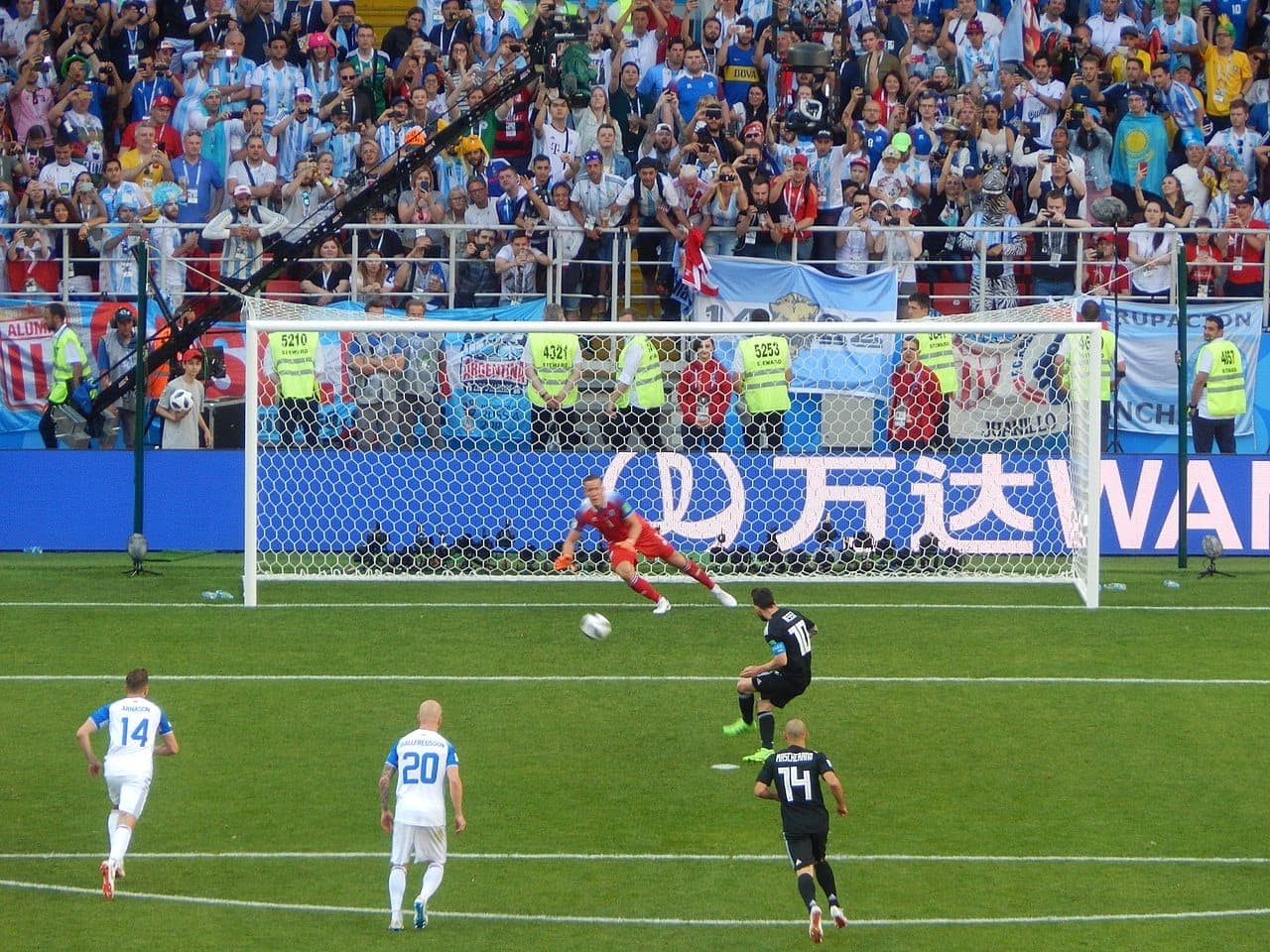
Lionel Messi finished the 2026 World Cup with eight goals and a runner-up medal. He scored a hat-trick against Algeria, a brace against Austria that carried him past the all-time men's scoring record, a sixth group goal against Jordan to move the record to 19, and two more on his way through the knockout bracket. The final, against Spain at MetLife Stadium on 19 July, was the one match where the goals would not come. Spain won 1–0 in extra time; Argentina did not register a shot on target. He left at 39 having been, across seven of his eight matches, the tournament's most productive forward — and woke the following morning as the man who holds the World Cup scoring record at 21 career goals across six tournaments, the number now further extended than it has ever been.
The record, again
The all-time mark was supposed to be Messi's to break in 2022, and it was not: his eight goals in Qatar moved him past Pelé and into second place behind Miroslav Klose, but Kylian Mbappé's tally kept the argument alive. In 2026 he broke through the previous record and kept going. Twenty-one career World Cup goals, accumulated from a teenager's debut in Germany in 2006 through to a 39-year-old leading a title defence in the United States, is a number that resists easy adjectives. It is simply the record.
The result on 19 July does not change it. More importantly, the result does not change anything, because Messi's standing in this competition had been settled in December 2022 in Lusail, when he collected a winners' medal at his sixth attempt and rendered everything that follows coda.
What the eight goals mean
The narrative convenience of 2026 would have been a second title — defending champions, home continent, farewell performance, clean ending. What the tournament produced was harder and stranger and, on reflection, more interesting: a 39-year-old who led Argentina to the World Cup final by scoring in seven consecutive matches, then met the one team that had not conceded across its two previous knockout rounds, and ran out of road.
Eight goals at 39 deserves to be considered on its own terms rather than through the lens of the final night. Messi entered this tournament as defending champion, which meant every opponent arrived with a specific plan for him. He scored eight times regardless. Argentina's knockout path — Cape Verde, Egypt, Switzerland, England — involved genuine difficulty, at least one comeback from two goals down, and a semi-final won in extra time; he was the player around whom those moments organised themselves. That Argentina could not construct a shot on target in the final says a great deal about Spain's defensive structure and rather less about what produced the previous seven matches.
A career that does not require a tidy ending
The desire for Messi's final World Cup to conclude with a second title is understandable, and entirely beside the point. Sport does not owe its greatest players tidy endings. What 2026 offered was a 39-year-old who was still — across eight matches of the largest football tournament ever staged — worth building defensive systems around, worth double-marking, worth planning for as the central problem. Argentina reached the World Cup final. Spain were better on the night.
A runner-up medal at 39, in the final of a tournament entered as defending champion, scored in seven of eight matches, the all-time goals record extended beyond challenge, does not read as disappointment. It reads as the sport refusing to be simple, and Messi refusing to go quietly. Both of those things, in a career defined by confounding expectation, feel like the appropriate note to end on.
The last line
He is almost certainly done with World Cups. The 2030 tournament would require him to be competitive at 43, which is beyond realistic planning for any outfield player. What remains is a career at Inter Miami that he can conclude on his own terms, the record that stands at 21 until someone passes it — a project that will take years and the continued health of whoever attempts it — and the specific satisfaction of having contested the final of his sixth World Cup at an age no previous player had come close to approaching.
The World Cup he needed was won four years ago. This one was something else: still extraordinary, still historic, and a statement from a player who could have retired in December 2022 with the record intact and every argument settled, but chose instead to come back, score eight more, and reach the final one more time.
That was, in every way that matters, already enough.
Sources: FIFA's official match records; NBC Miami on Messi's goals tally; MLS Soccer on Argentina's route to the final; ESPN and NBC News on the final result.